

The pretty island named ‘Africa’s best’ – cheaper than the Maldives and 30C in November | Africa | Travel
For years, the Maldives has reigned supreme as the ultimate tropical escape, especially at this time of year when temperatures plummet in the UK and Brits are in desperate need of some Vitamin D. However, a new contender is quietly stealing the spotlight – a sun-drenched African archipelago where turquoise waters, spice-scented breezes and untouched beaches are drawing travellers from around the world.
Zanzibar is an East African archipelago located in the Indian Ocean, comprising two large islands and numerous small islets off the coast of Tanzania. Its main island is Unguja (informally known as Zanzibar), home to the capital, Zanzibar City, and Pemba Island. Showcasing just how highly regarded this tropical paradise has become, it was recently named one of the Top Islands in the World in the Condé Nast Traveler Readers’ Choice Awards 2025, ranking fourth in Africa and the Indian Ocean. It’s a remarkable feat for an island that, until recently, remained one of the Indian Ocean’s best-kept secrets.
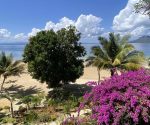
Unlike many high-end island destinations, Zanzibar retains a rare sense of authenticity. Palm-fringed beaches run along white sand, traditional fishing boats still pass over coral reefs and the sea boasts an incredible shade of bright turquoise. It offers “barefoot luxury” without excess: wake in a boutique beach lodge, sip fresh coconut by the shore and spend far less than a single night in a comparable Maldivian resort.
What’s more, in November, the average high temperature is about 30C, with lows only around 23C. Even in December, when the UK faces bitterly cold weather, temperatures in Zanzibar usually remain between 30 and 25C.
From Nungwi and Kendwa in the north to Paje and Jambiani in the southeast, Zanzibar’s beaches cater to every kind of traveller. The north is known for its calm, swimmable waters and lively sunset bars, while the east offers wide, windswept beaches perfect for kitesurfing and long, quiet walks. The variety means you can choose between tranquillity and buzz without leaving the island, something even the Maldives cannot always offer.
Beyond the beaches, Zanzibar’s appeal lies in its rich mix of cultures and history. Once a major trading hub for spices, ivory and gold, the island blends African, Arab, Indian and European influences in everything from its cuisine to its architecture. Stone Town, the island’s historic capital and a UNESCO World Heritage Site, is a maze of narrow alleys, carved wooden doors and hidden courtyards filled with the scent of clove and cardamom.
For adventure seekers, you can snorkel or dive in the coral gardens of Mnemba Atoll, spot dolphins off Kizimkazi, or take a spice farm tour to see where nutmeg, cinnamon and vanilla grow. Inland, Jozani Forest is home to the rare red colobus monkey, found nowhere else on Earth.
Travel experts at Sundowner Holidays have said the island is enjoying a well-deserved moment of recognition, and for good reason: “It’s not about overwater villas or polished perfection, it’s about authenticity, colour and calm,” they said.
Budget is another reason travellers are flocking here. A beachfront boutique stay in Zanzibar can start from around £80–£120 per night, with meals and excursions often priced significantly lower than those in the Maldives. Even high-end resorts, complete with infinity pools and private villas, tend to be more affordable, making it a realistic paradise escape for couples and families alike.
While there are no direct flights from the UK to Zanzibar (ZNZ), you can easily get there with a one-stop connection. Emirates offers flights via Dubai, while Turkish Airlines goes via Istanbul. According to Skyscanner, you can fly return from Gatwick (LGW) with Emirates and flydubai with a stop in Dubai (DXB) to Zanzibar for £717 in mid-November. The journey usually takes around 14 hours.